
Leave a Trail
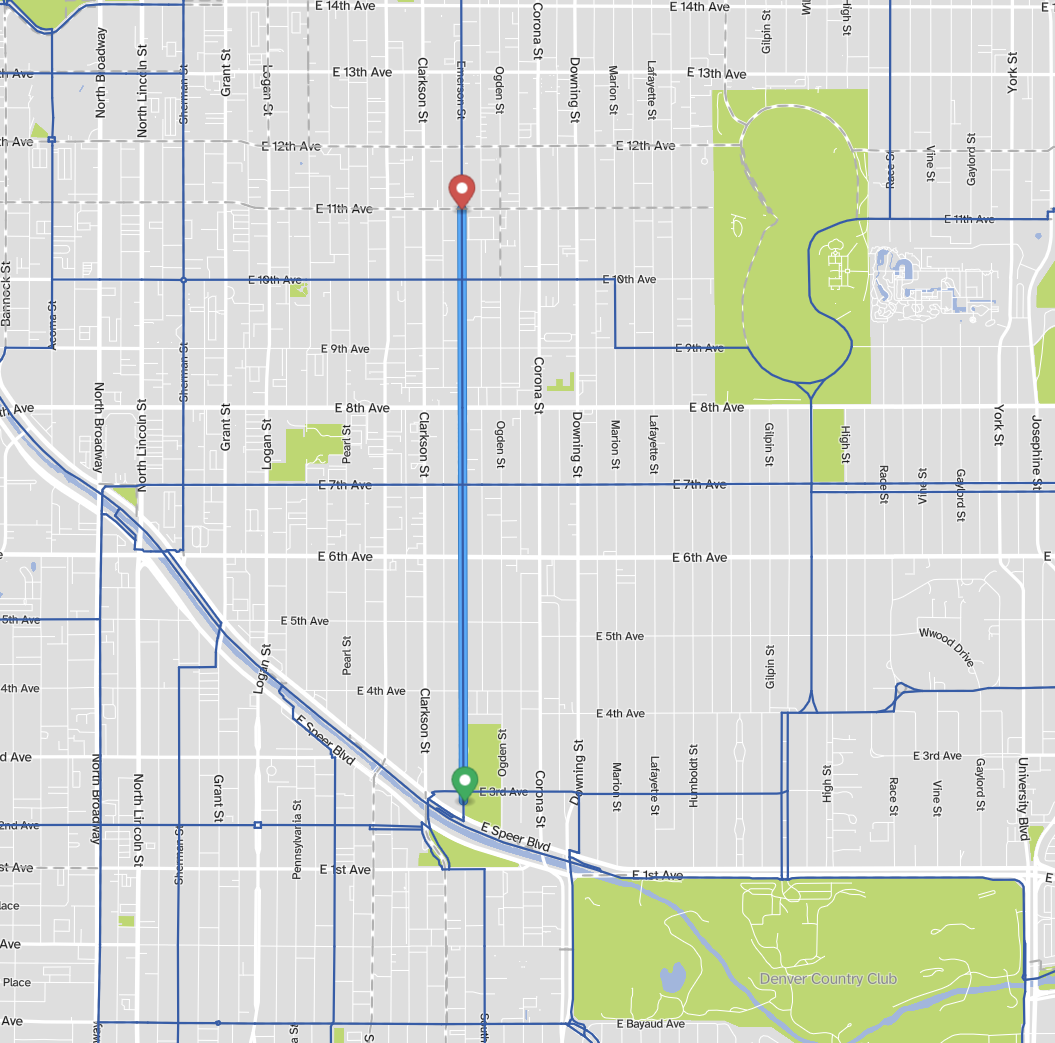
Since 2018, Emerson Street has been one of our favorite low-stress bike routes that isn’t on the official Denver bike map. Emerson is quiet and residential and fills a big gap in the official bike network.
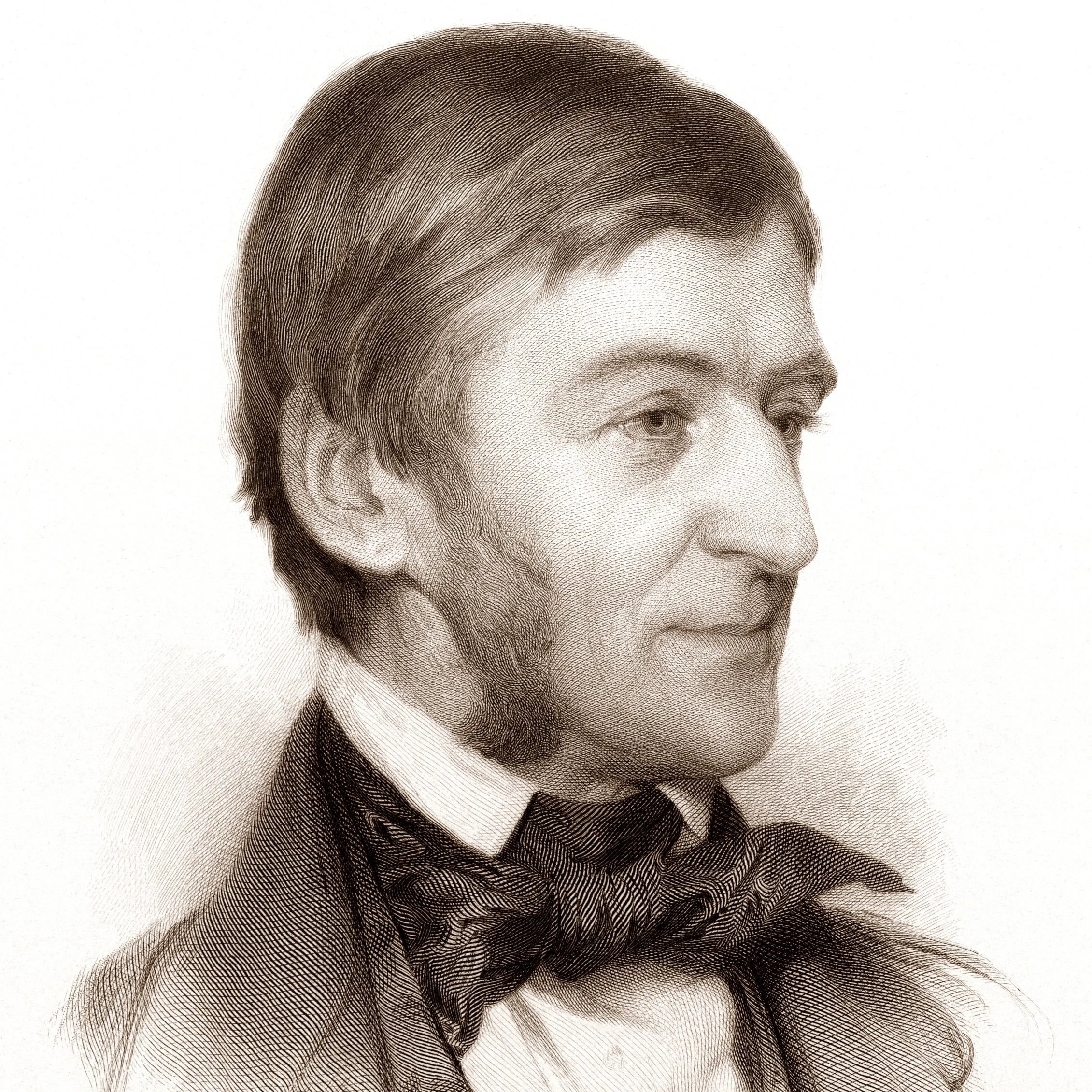
It’s unclear whether the street is named after Ralph Waldo Emerson, the minister, abolitionist, and towering figure of American philosophy.
It’s also unclear whether Emerson actually said something that’s attributed to him:
“Do not go where the path may lead, go instead where there is no path and leave a trail.”
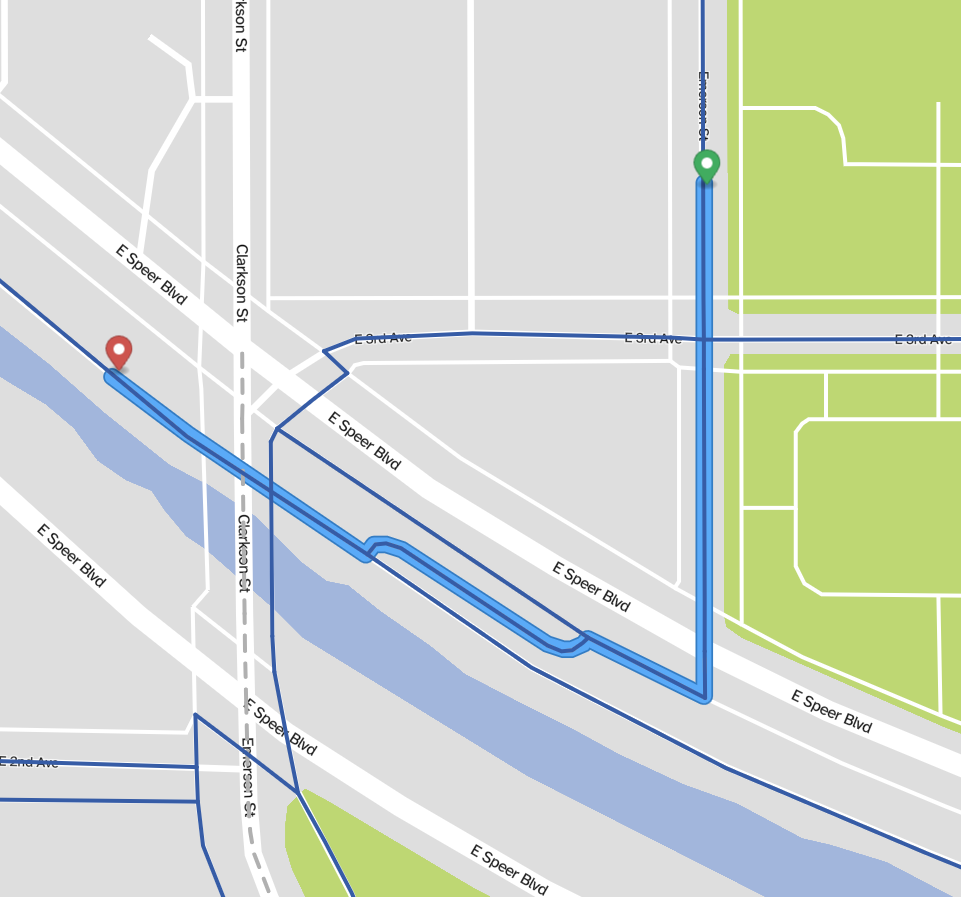
But here’s what is clear: the City of Denver is turning Emerson Street between Speer and 11th Ave into a neighborhood bikeway.
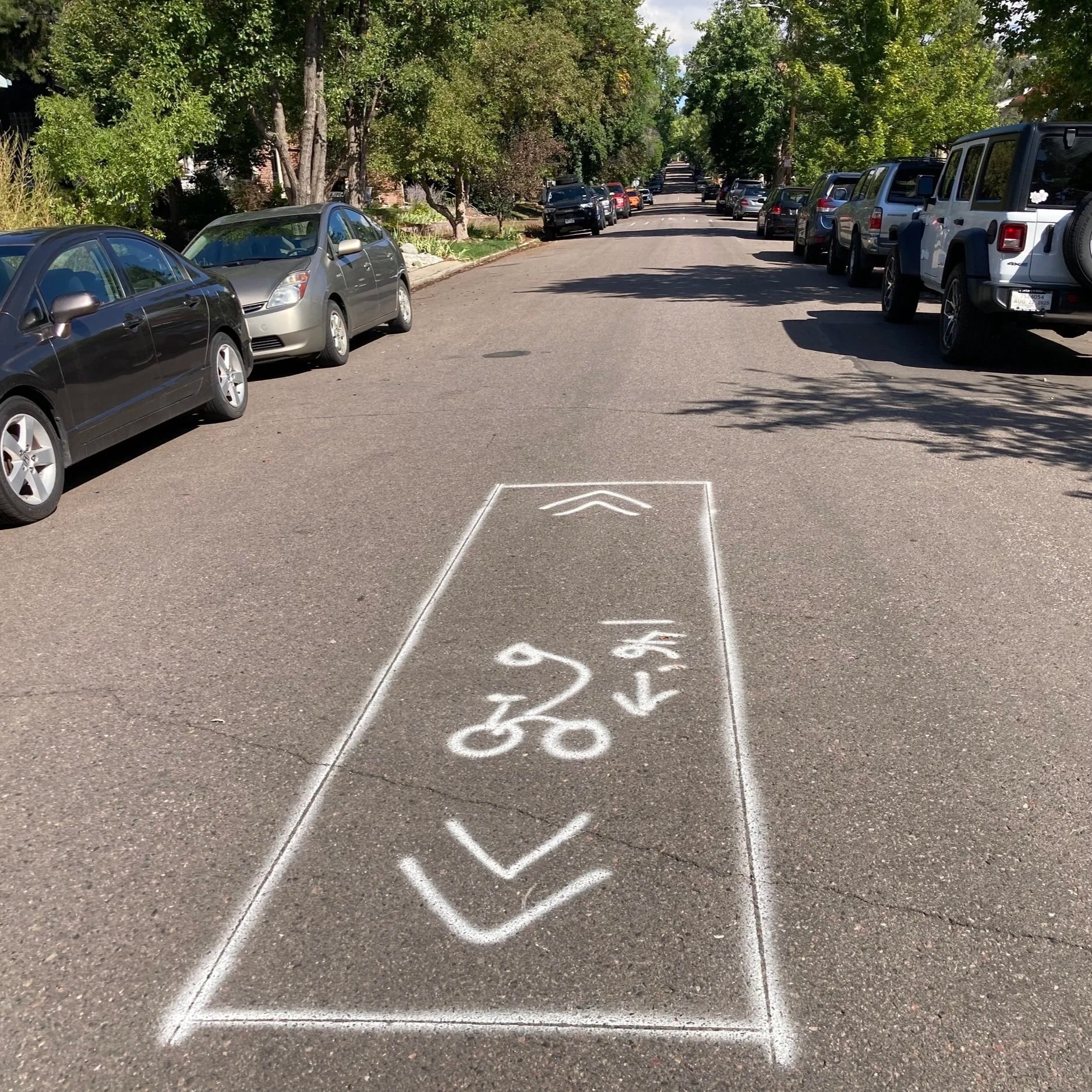
The narrative arc of Emerson is a vivid example of how people can find routes and “leave a trail” years before they become official routes.
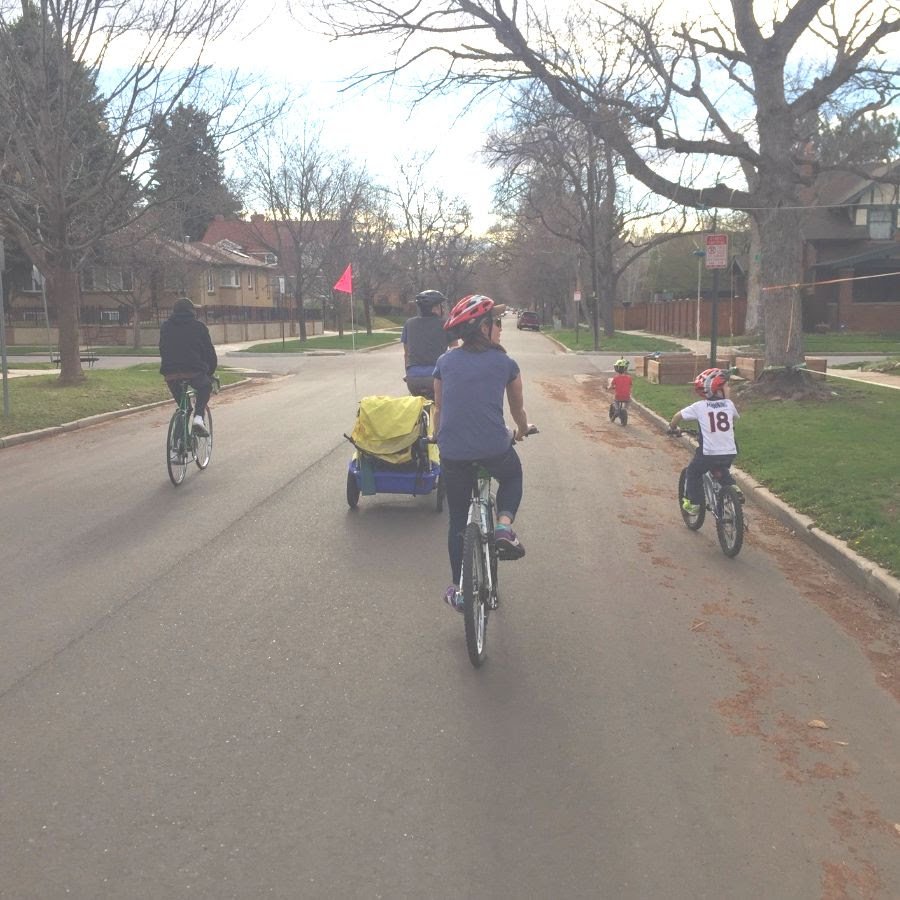
As the utility of these routes becomes apparent, cities can formalize them and make them part of the official network.
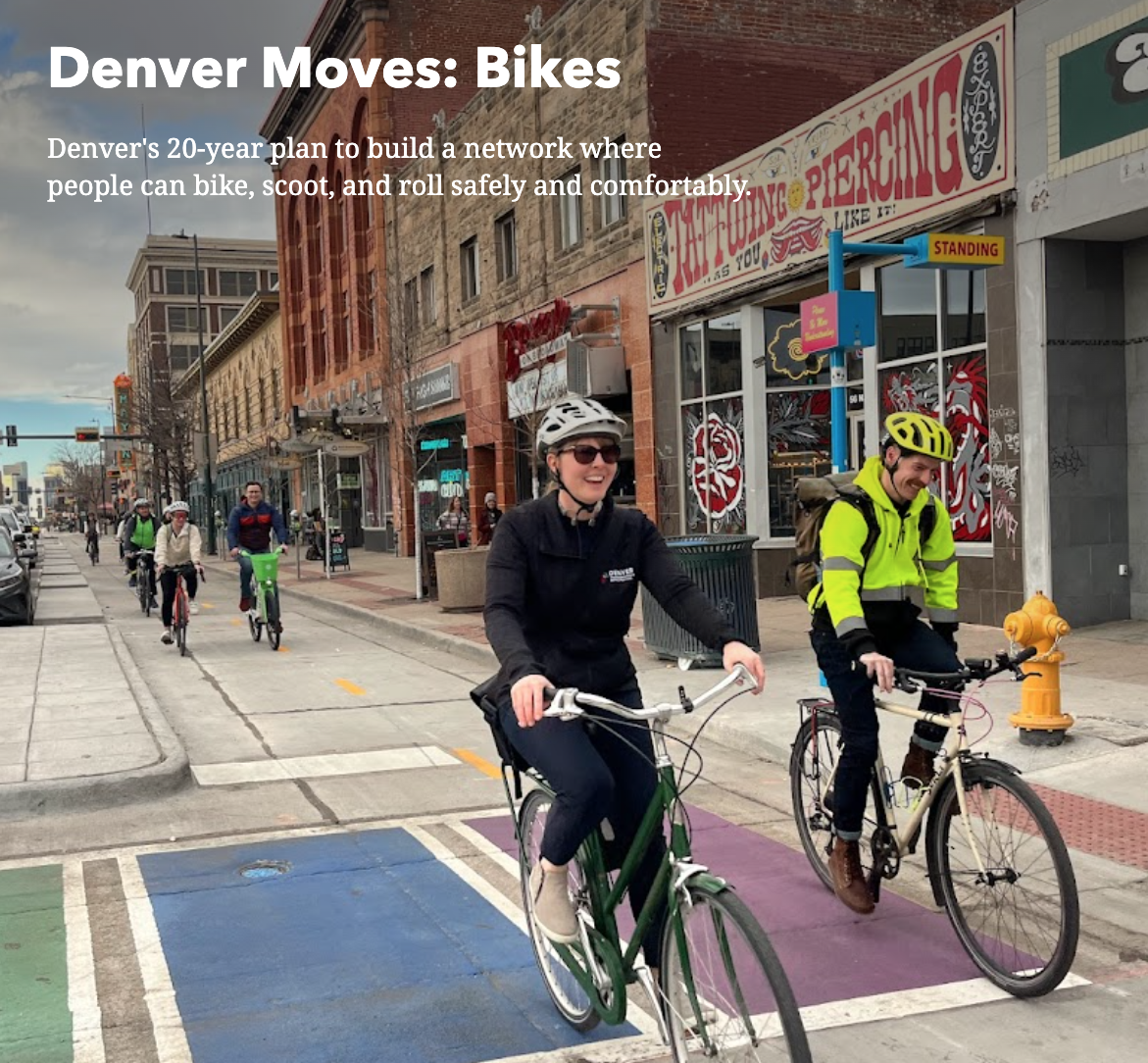
They’re probably not perfect at the start: the forthcoming version of Emerson, for example, won’t have a signal to cross Speer to connect to the Cherry Creek Trail.
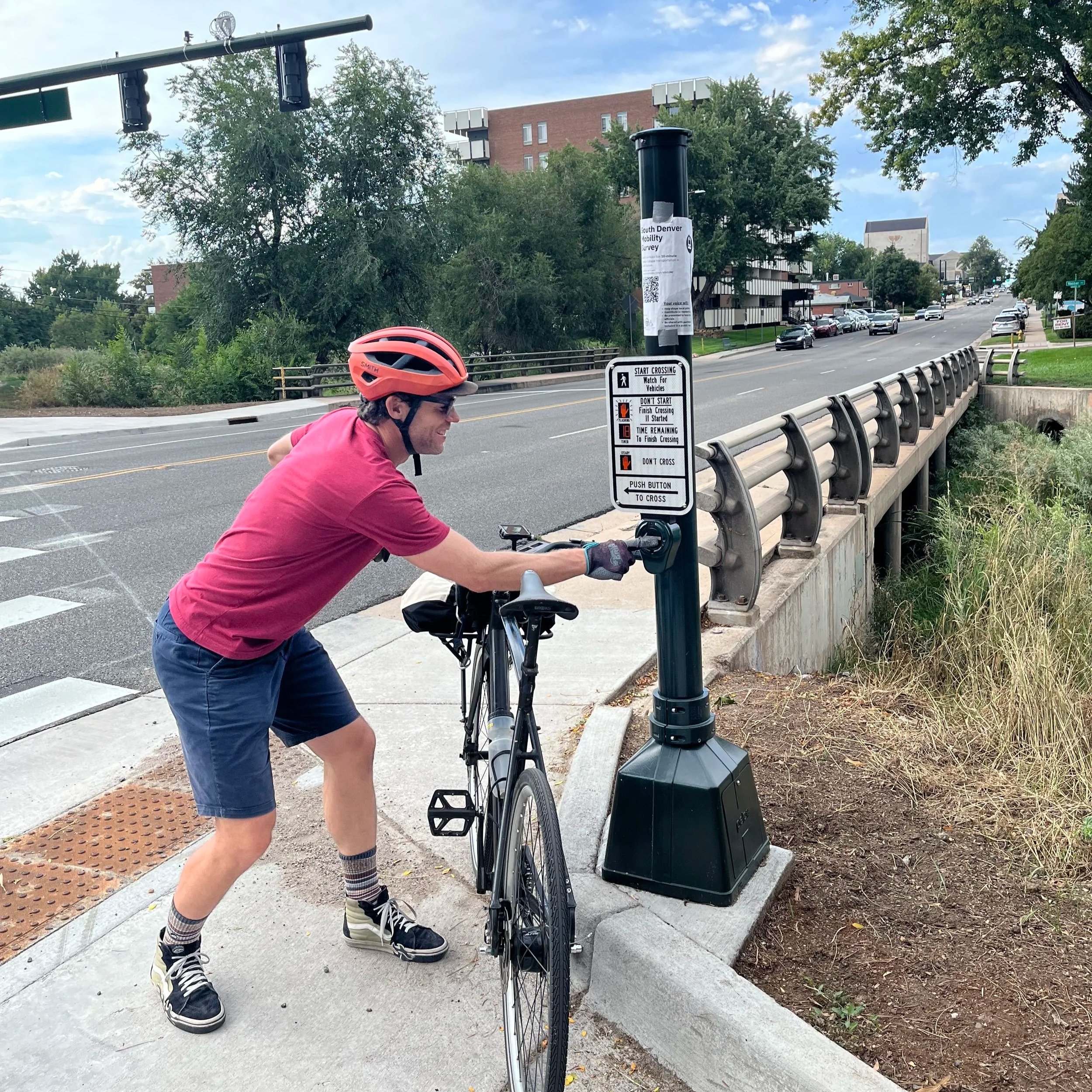
But that doesn’t mean it won’t have a signal at some point down the road. Our last Surprise Adventure visited McWilliams park and a boring yet thrilling landmark: a new traffic signal where the East Harvard Gulch Trail intersects University Avenue. For the first time, it’s possible to make a reasonable crossing there.
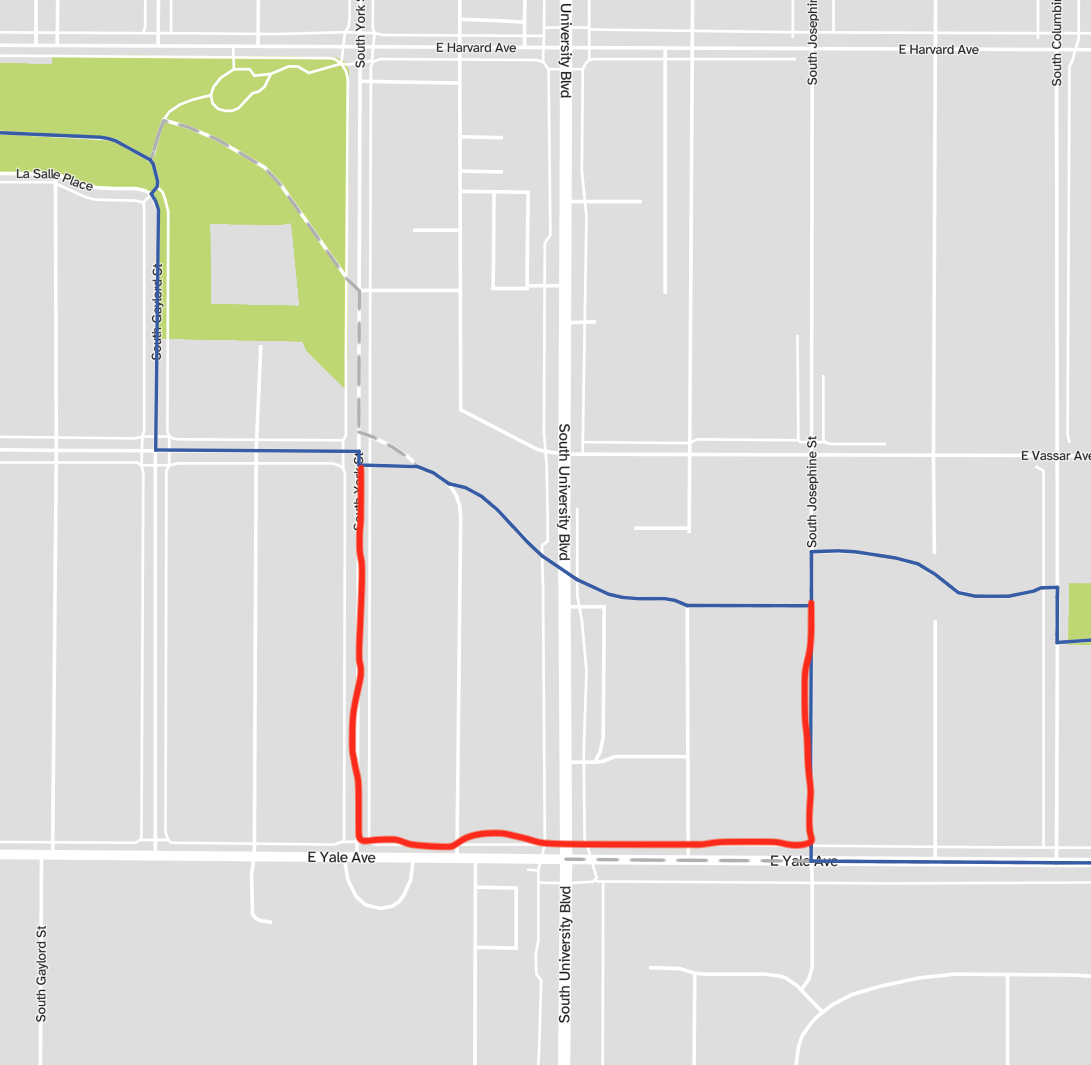
Before the signal was installed, we used a workaround (in red below) that included two blocks of sidewalk to create a low-stress connection. Now, the trail connects directly.
The progressions of Emerson and East Harvard Gulch reveal a path to rapidly created complete, connected, high-comfort bike networks.
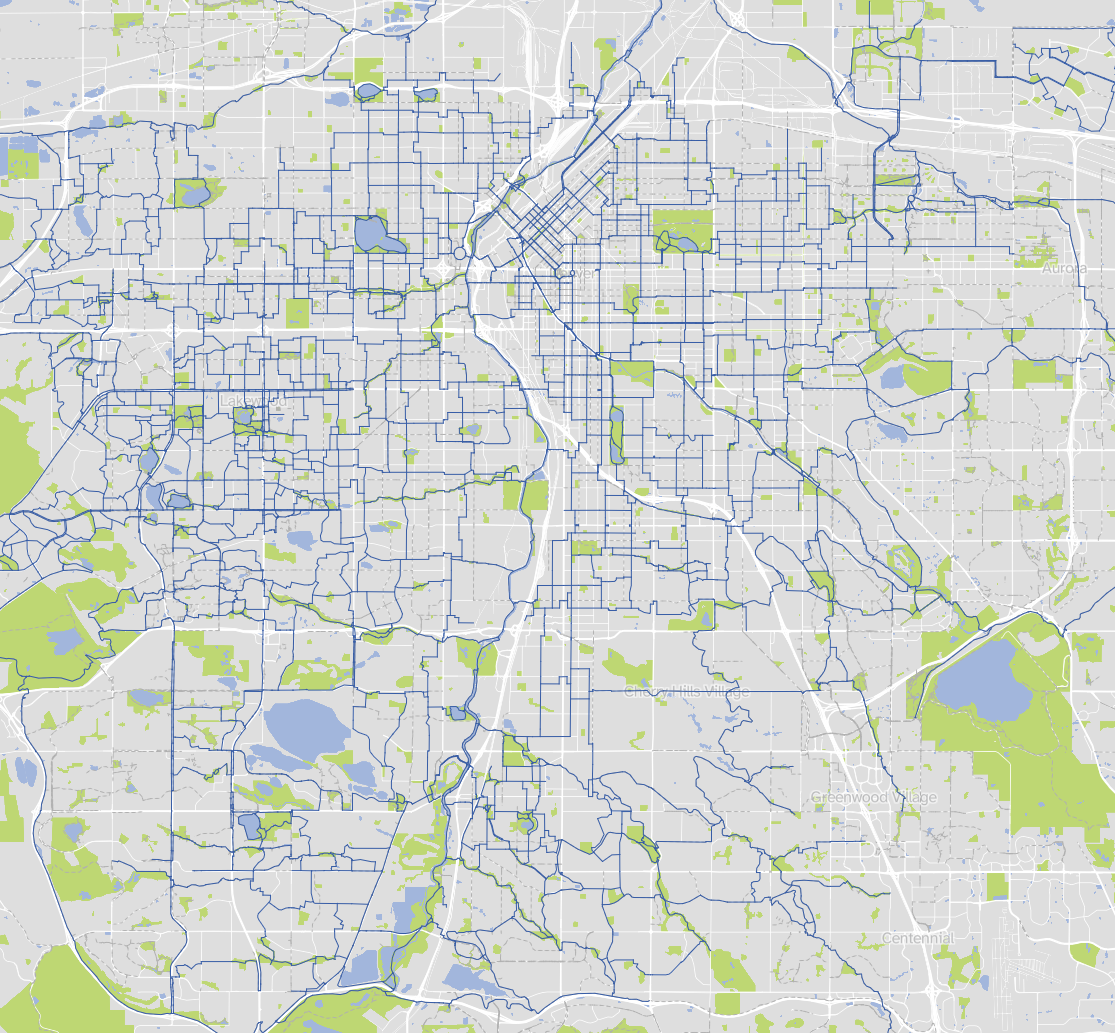
A group of locals can create a low-stress bike map now. Call it “Network 1.0.”
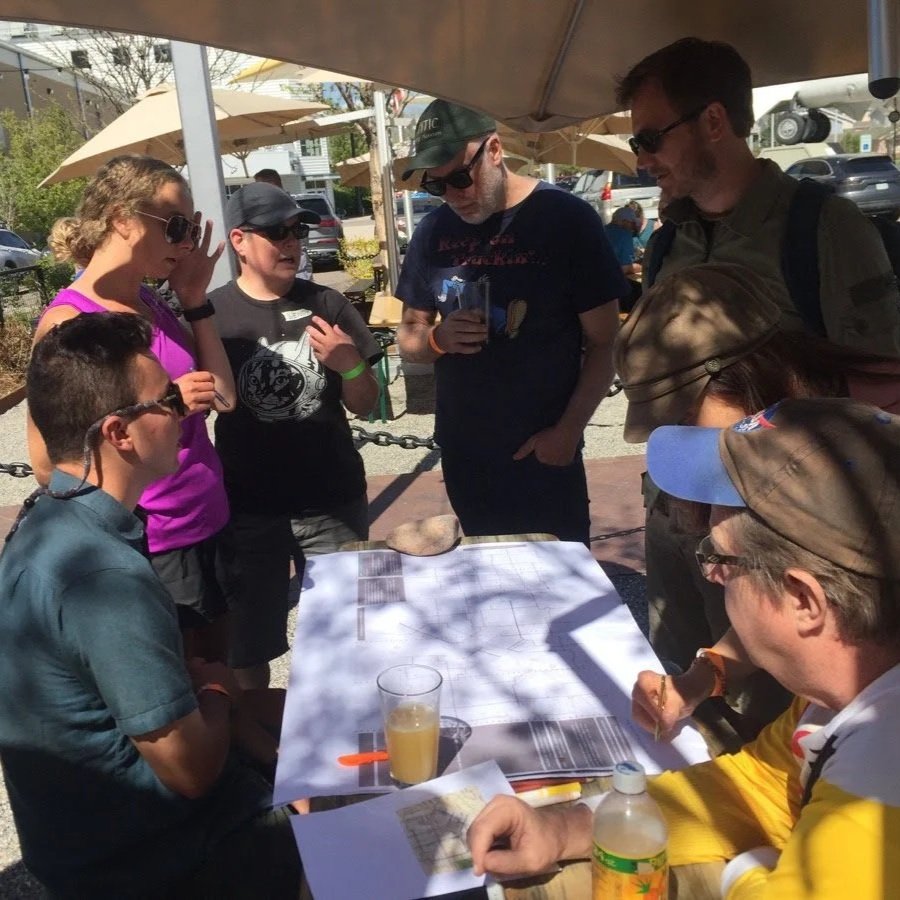
Then, a city can formalize those routes with low-cost interventions. That’s Network 2.0.
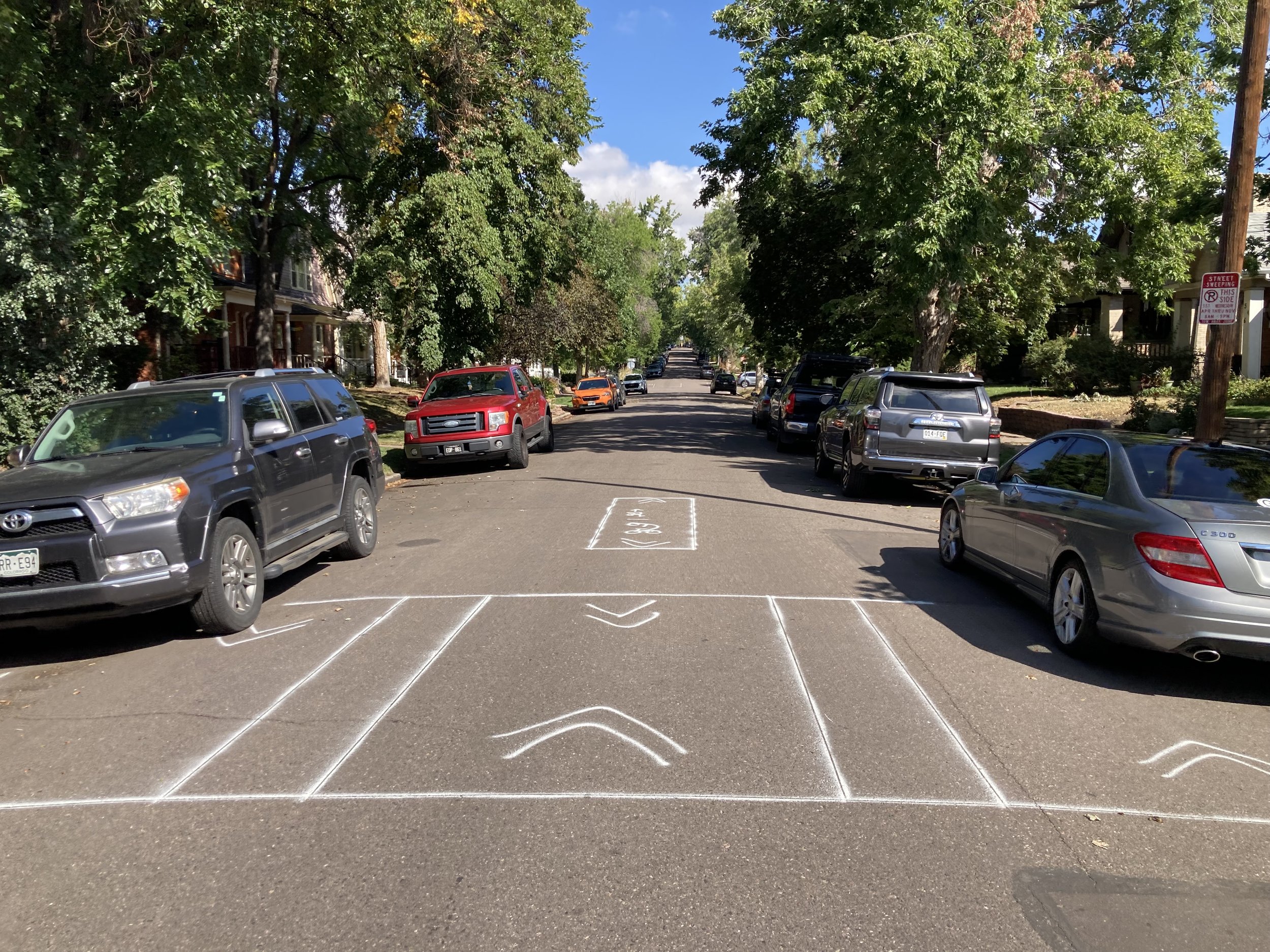
And finally, as budgets permit, we can upgrade challenging point locations. That’s Network 3.0 and beyond.
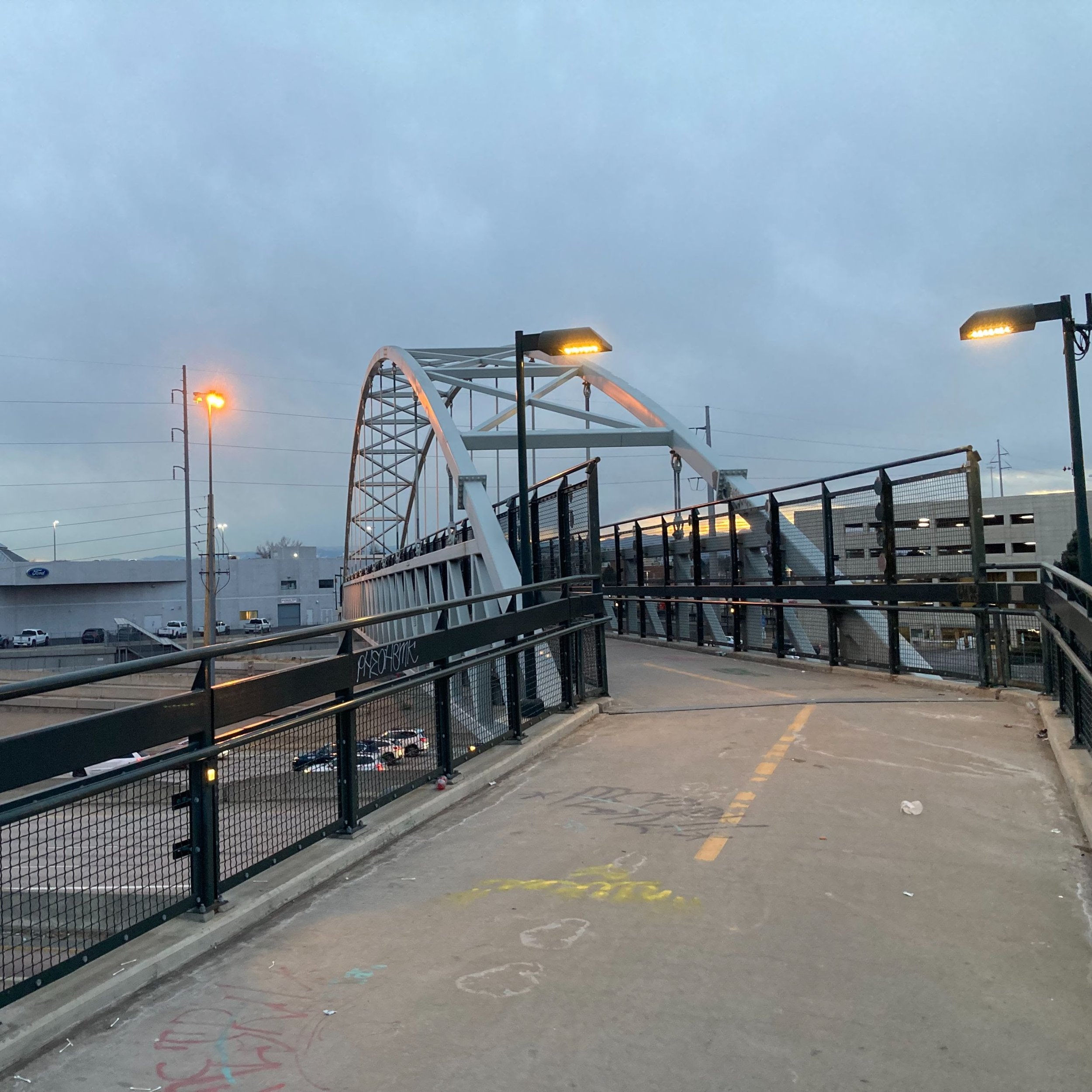
The result is that we can have complete bike networks now rather than disconnected bike lanes and theoretical future connectivity. And over time, those networks can get better and better.